The Ultimate Guide to Designing Biodiverse Gardens for Urban Spaces May 27, 2026
Understanding Biodiversity in Urban Gardens
Biodiversity refers to the variety of plant and animal life in a particular habitat. In urban spaces, cultivating a biodiverse garden means choosing plants that attract a wide range of wildlife, including bees, butterflies, and birds. This creates a balanced ecosystem in your backyard or community garden, offering both beauty and environmental benefits.
Selecting the Right Plants
When designing a biodiverse garden, plant selection is key. Start by choosing native species, as these plants are well-adapted to local climates and soil conditions. Native plants require less water and maintenance while providing essential resources for local wildlife. Incorporating a mix of flowering plants, shrubs, and trees can create various habitats, catering to different species.
Creating Diverse Habitats
A successful biodiverse garden mimics natural ecosystems by providing multiple habitats. Consider adding a water feature, such as a small pond or birdbath, to attract amphibians and birds. Incorporate rock piles or wood stacks to offer shelter for insects and small mammals. Vertical gardening can also maximize space and provide added greenery in smaller environments.
Implementing Sustainable Practices
Sustainability is a crucial aspect of maintaining a healthy, biodiverse garden. Use organic fertilizers and pest control methods to reduce chemical impact on the environment. Composting kitchen waste and garden clippings not only minimizes waste but enriches soil fertility. Mulching plant beds conserves water and reduces weed growth, further fostering a thriving habitat.
Engaging Your Senses with the Garden
A biodiverse garden should be a joy to experience. Choose plants with varying bloom times, colors, and fragrances to ensure year-round visual appeal. Incorporate tactile elements, like textured foliage and stone pathways, to create a multidimensional space. Gardens that engage all the senses can offer a peaceful retreat that stimulates mental well-being.
Considering Local Wildlife Needs
An often-overlooked element of designing a biodiverse garden is catering to the needs of local wildlife. Provide nesting materials for birds, and install birdhouses or insect hotels to encourage habitation. Grow a variety of nectar-rich plants to support pollinators, crucial for plant reproduction. Seasonal changes in plant selection can ensure a continuous food supply for wildlife.
The Role of Community
Gardens have the power to connect people. Consider expanding your efforts to a community level by organizing group planting projects or workshops. Sharing knowledge and skills can inspire others to transform their urban spaces into vibrant, biodiverse havens.
Conclusion: Embrace Biodiversity in Your Outdoor Space
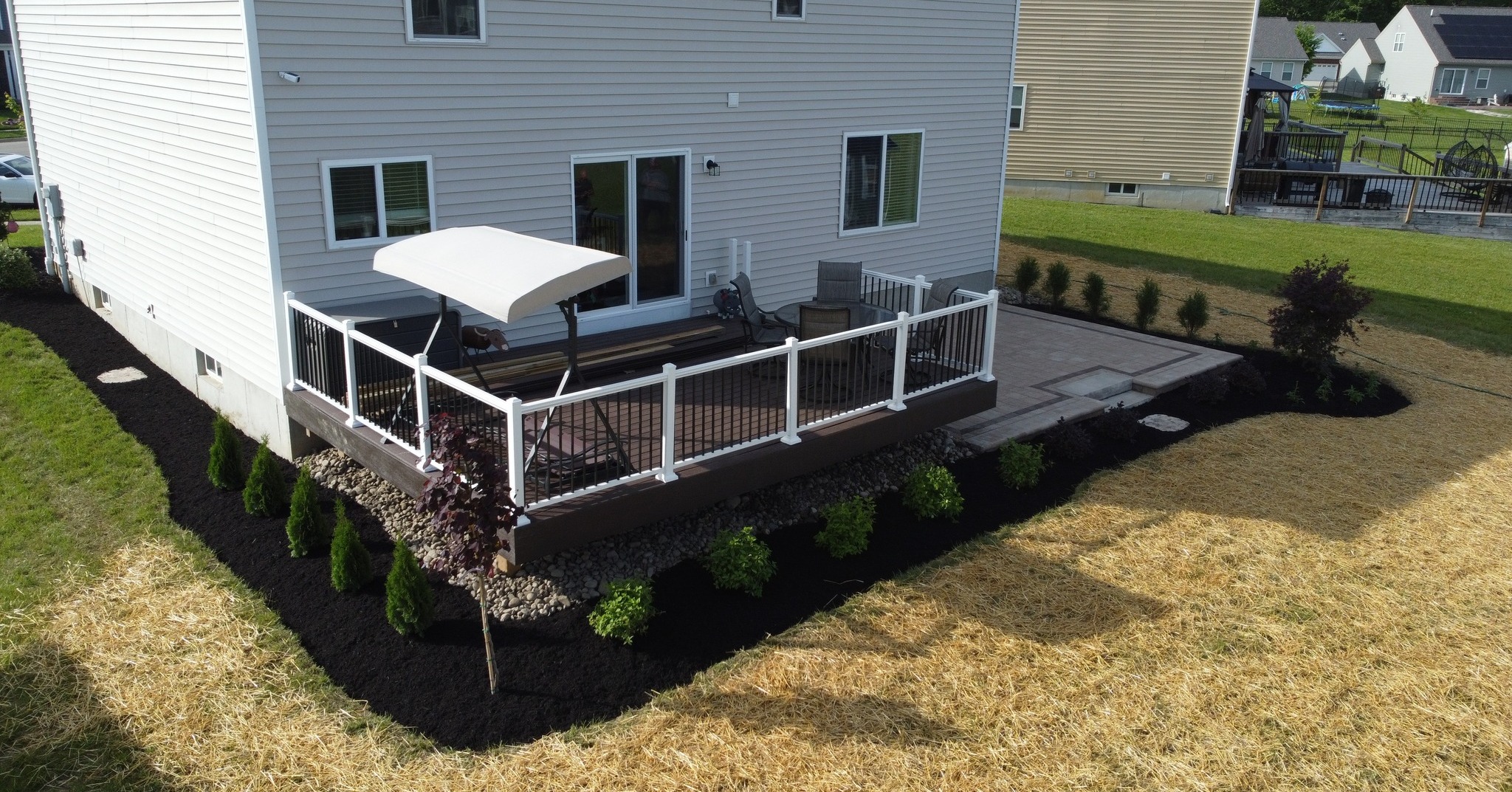
Creating a biodiverse garden in urban areas may seem like a daunting task, but with careful planning and consideration, it is possible to make a significant environmental impact. By selecting appropriate plants, designing diverse habitats, and adopting sustainable practices, you can foster a thriving ecosystem that benefits both nature and people. At New Image Outdoor Solutions, we are dedicated to helping you cultivate the perfect space that supports biodiversity and enriches urban living. Let us partner with you to transform your vision into a living masterpiece.
/filters:no_upscale()/filters:format(webp)/media/32deed6a-e577-44e1-8cde-27f331f851ce.jpeg)